1
Early Rhythm
The first signs of musical instinct showed up early, in movement, listening, repetition, and the urge to respond to sound.
Mr. Michael is not just an artist with a sound. He is a man whose voice was shaped in real places, by real pressure, real faith, and real work. Before the songs, there was a fashion workshop in Bariga, Lagos — RR Fashion Design.
This page is for the people who want to know where the voice came from.
The first signs of musical instinct showed up early, in movement, listening, repetition, and the urge to respond to sound.
Worship, choir energy, and spiritual discipline shaped the artist’s understanding of voice, presence, and meaning.

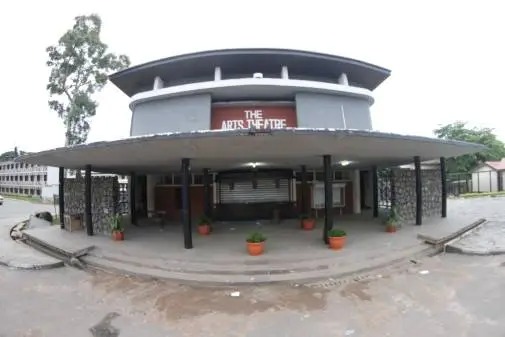
Theatre culture and school life sharpened expression, confidence, and the ability to carry story with intention.

The university years brought survival pressure, but also deepened the sense that music was not a hobby — it was a calling.
The pre-2006 phase marked the beginning of a more serious creative pursuit, where ideas became songs and songs became identity.
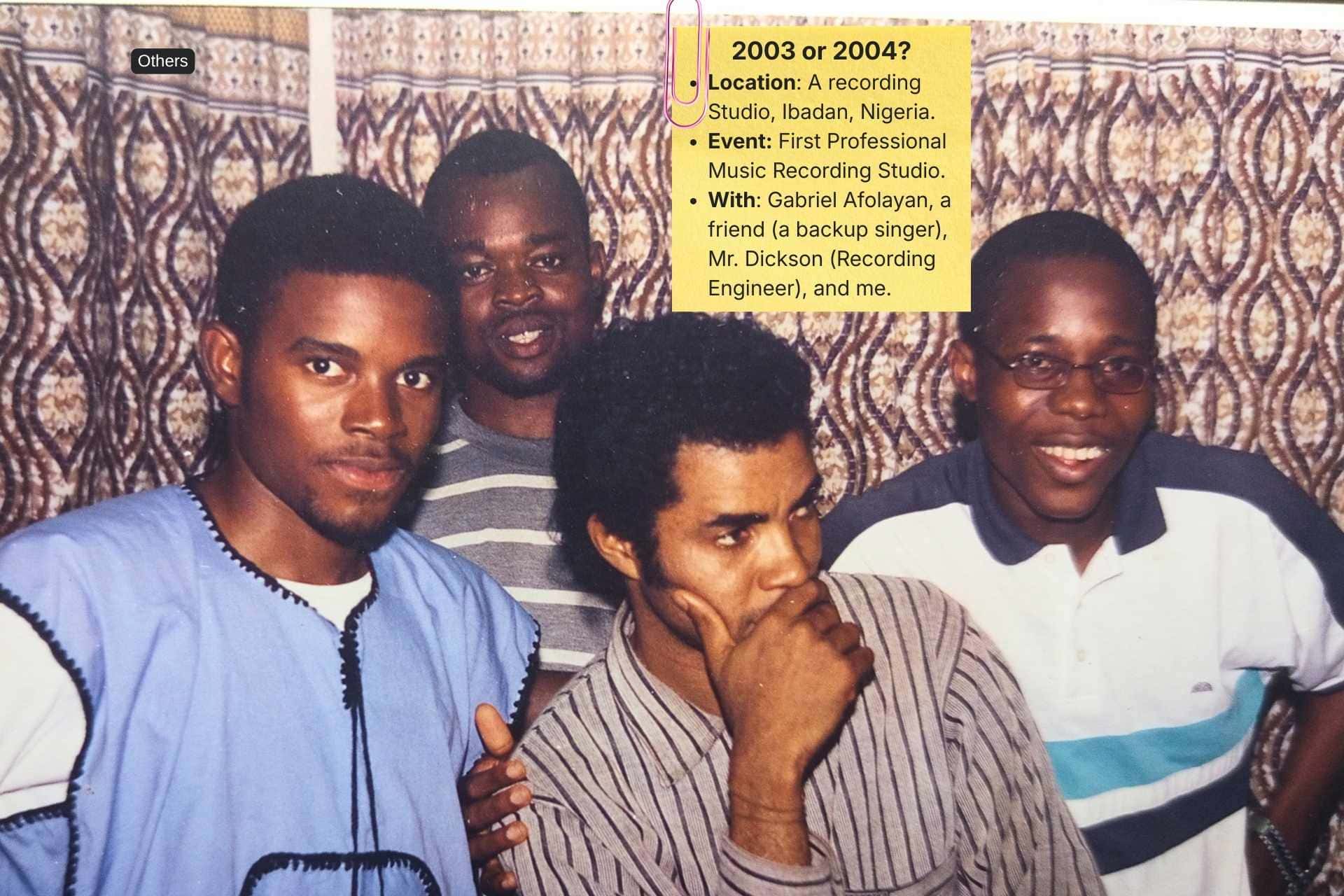
Signing, releases, unreleased work, and the realities of industry life taught patience, discernment, and endurance.
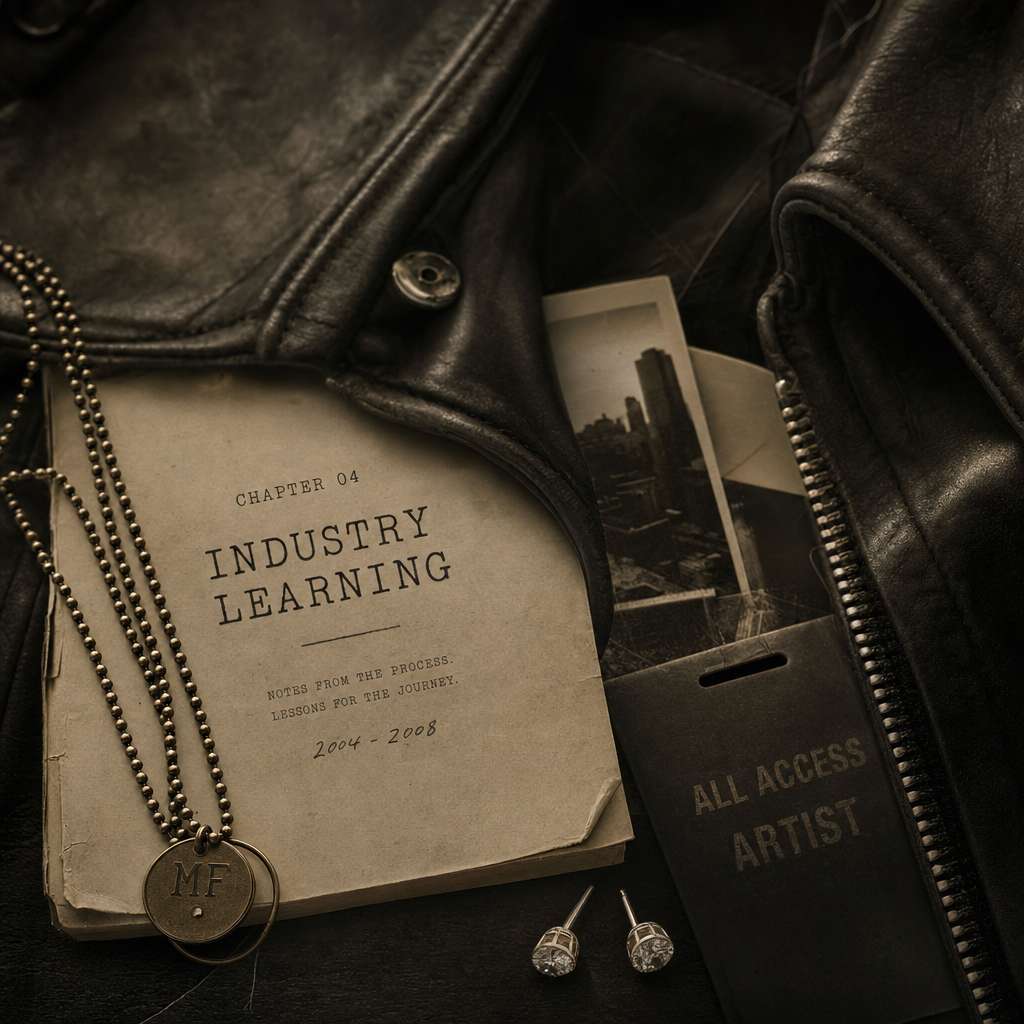
The later chapter is about returning with ownership, wisdom, and a stronger grip on the artist’s own voice.

Healing became part of the story too — not as a footnote, but as proof that the journey is still alive.
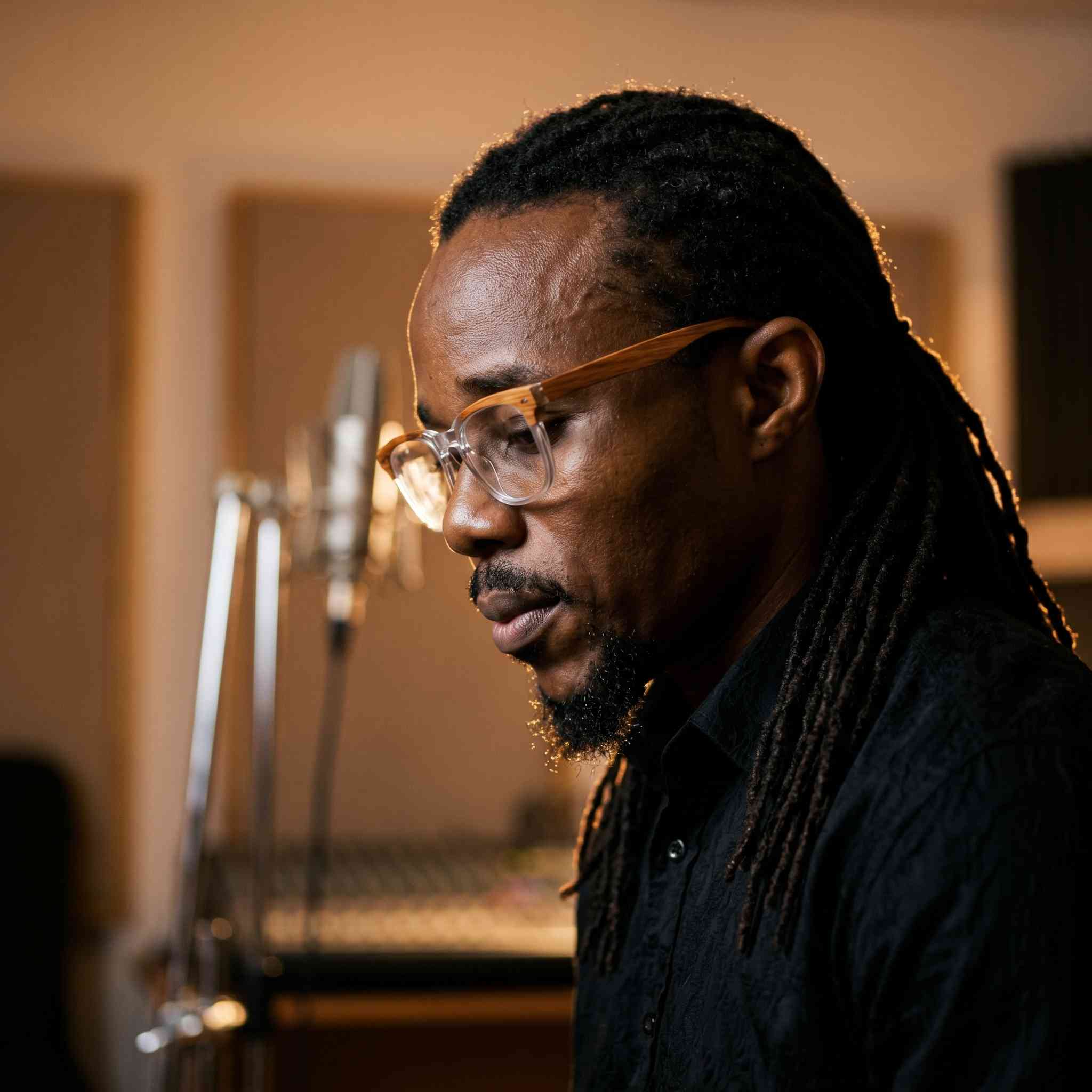
What you hear in the songs is only part of the story. The rest lives in the workshops, classrooms, church aisles, rehearsal rooms, struggle, silence, healing, and the long walk back to self.
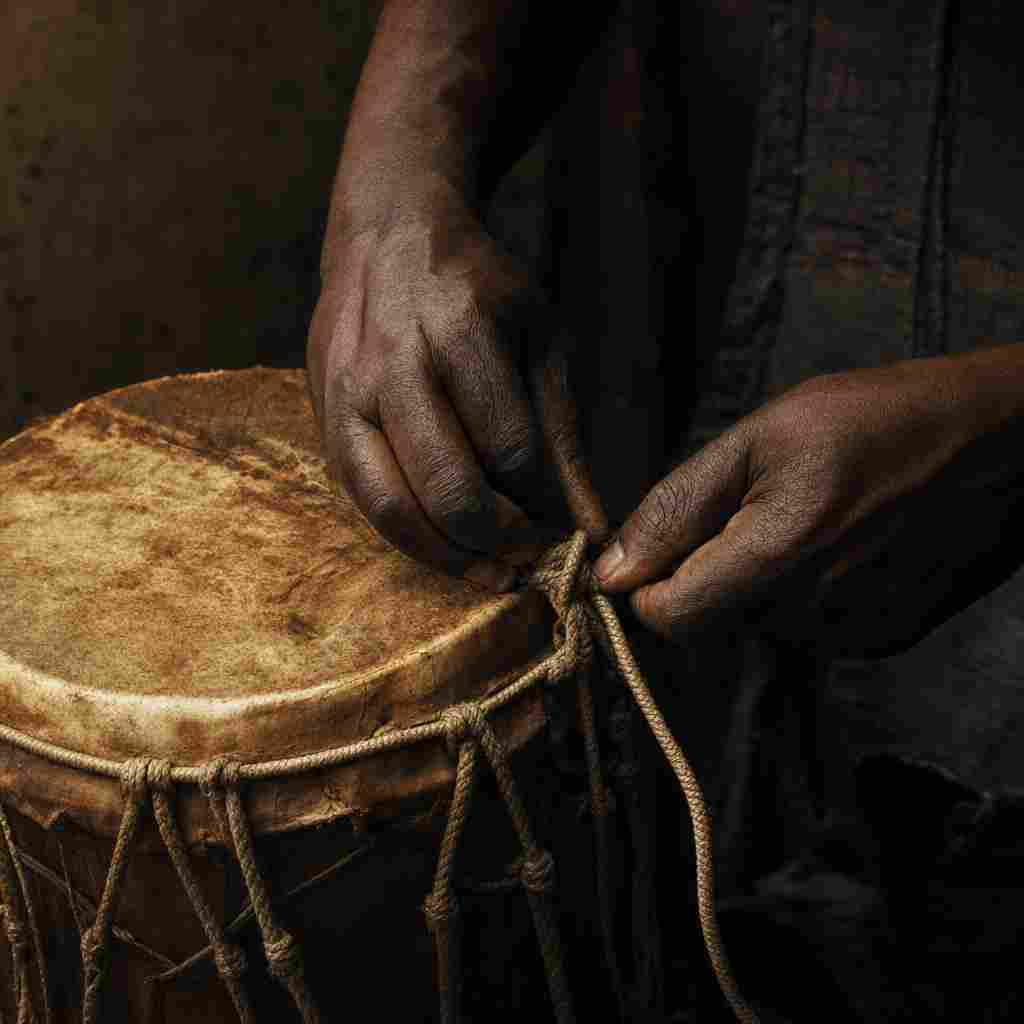
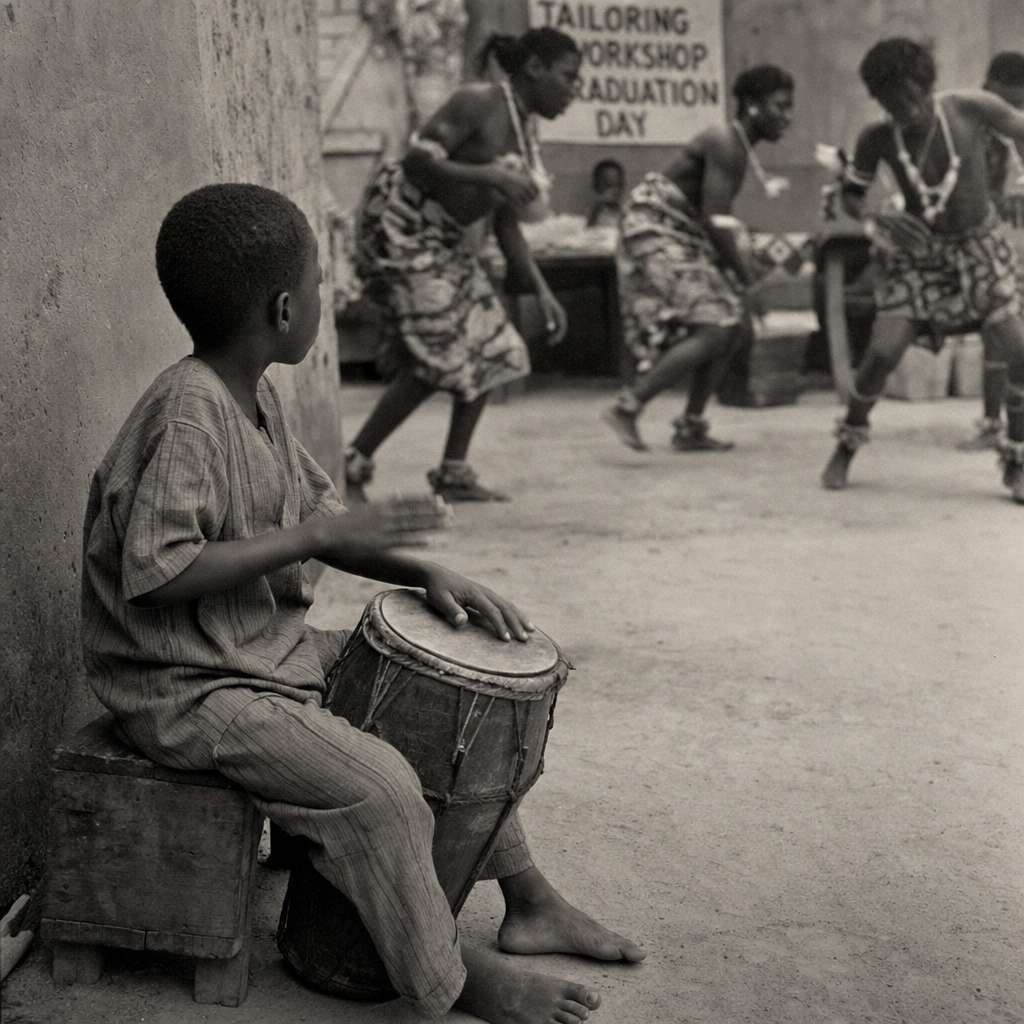
Long before any label talk, long before any release plan, music found him in his mother’s fashion workshop, RR Fashion Design. He was still a child when he would beat the table, just playing around with rhythm, and one client looked up and said:
“This your boy can sing o.” That small moment stayed.
Then came another one.
During one of the trainees’ graduation days, there was no drummer available. A small local konga-like drum was found and placed in his hands, and he backed the performance himself. That was one of the earliest stages of becoming — not in front of a crowd trying to impress anybody, but in a family space, holding rhythm for other people’s moments. That is where the story starts. Not with branding. With instinct.
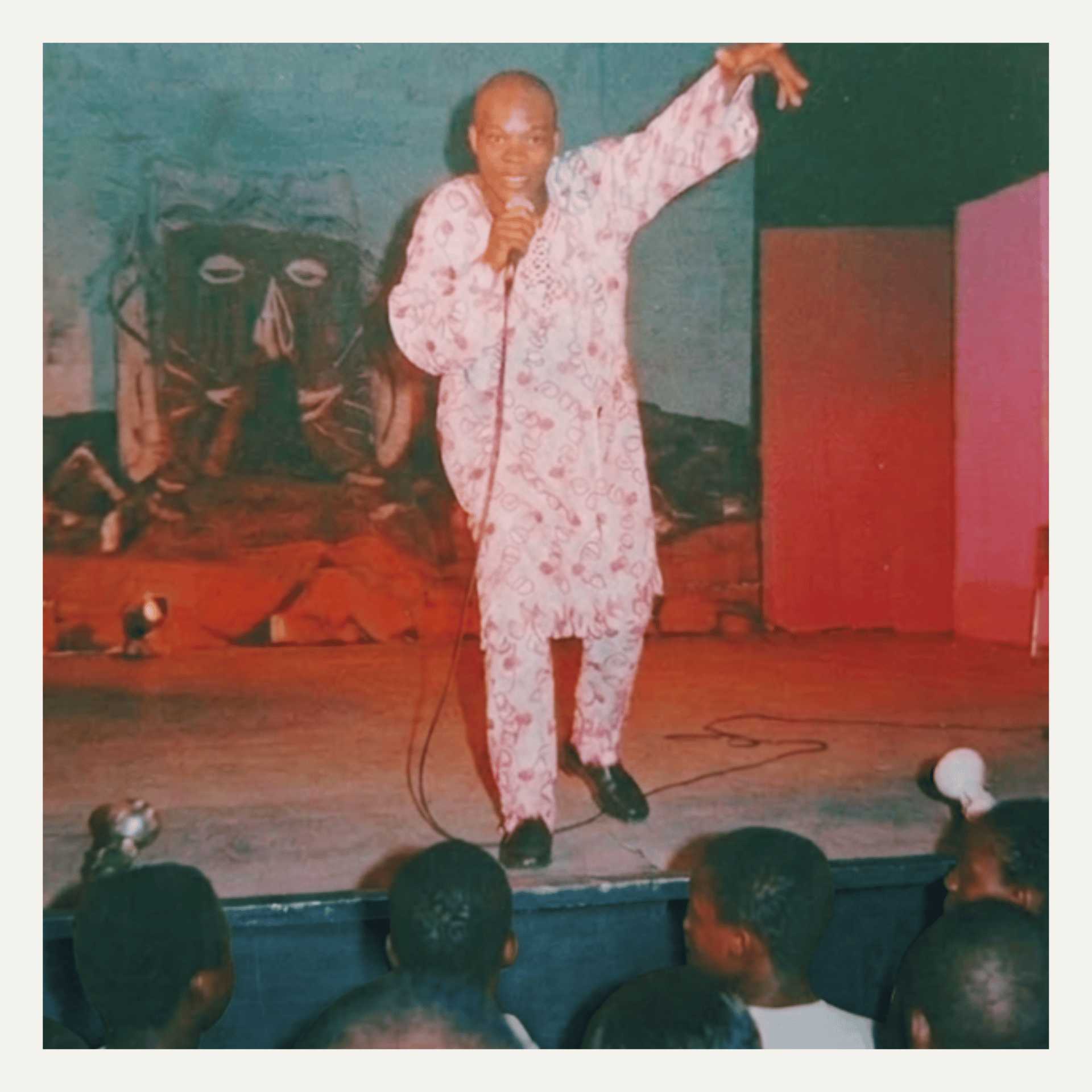
By the time he got to Abeokuta Grammar School, the path had already begun opening. In SS2, around 2000, he met Professor Wole Soyinka, who directed him in his first major acting role as Obatala in The Imprisonment of Ọbàtálá by Ọ̀bọ́túndé Ìjímèrè, a stage play. The work was part of a World Bank-sponsored documentary on African myths and culture. That was not just performance — it was identity, history, myth, and discipline meeting in one place.
Church also sharpened him. In The Apostolic Church- Ìjeùn Titun, Abeokuta, he led praise and worship alongside Wole Osho, helping to set the atmosphere before preaching and during offering dance praise. Choruses had to be ready. The room had to be read. The moment had to be carried.
That church space became one of the real training grounds. It taught him how to read a room, how to hold a congregation, how to prepare choruses, and how sound can move people spiritually before it ever moved them musically.
Around that same season, he formed Bazz Dome Boys with Dele Leon and Tolu, also known as Tboy. It was part of the early development years — experimenting, performing, learning how to belong inside a sound.
At the University of Ibadan, he studied Theatre Arts, but the journey was never just about classwork. Music stayed inside the story, and survival stayed close, too.
For four years, he was moving between long night rehearsals, academics, the pressure to keep going, and a unisex barbing salon he was running around Sultan Bello Hall, operating from the basement of the library area.
That season did not produce a polished artist. It produced a working one.
Before the 2006 record deal, he had already been building song ideas — Agbe, Ẹ̀gbá Lawà, Bẹ̀rẹ̀jo — and Agbe came out of a season of playing around with the acoustic guitar while Mr. Tairu, an older classmate and music director, gave him bits of guidance whenever he could. DJ KLEM later produced Agbe at Mellanby Hall around 2005, and that song became the one that opened the door to Nero Records in 2006.
So when people hear the music now, they are not hearing a sudden arrival. They are hearing a long road: workshop, stage, church, school, survival, first studio steps, and the stubborn decision not to let the gift die.

By the time the return came around, it was not a clean restart. It was a long pause, a body that had been through surgery, and a voice that had to come back carefully. After the 2025 brain surgery, recording became part of recovery, not just output. He had to respect breath, pace, and the body while finding his way back to the mic.
The return also carried history: the old label disappointment, the unreleased album, the years with Blak, and then the new chemistry with Scope Nero — someone who could hear the direction almost immediately. That is why the music now feels deliberate. It is not a man trying to prove that he started. It is a man returning to what never left.
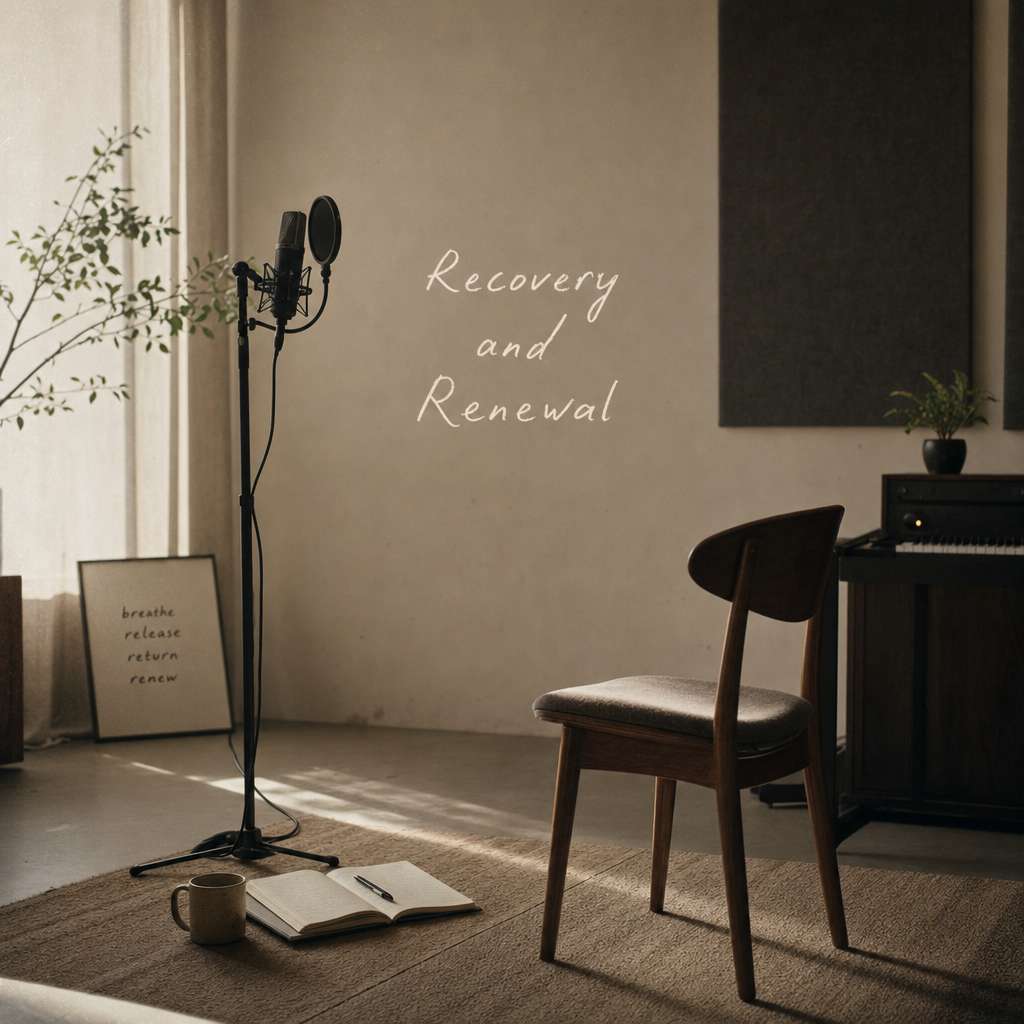
This page exists for the listener who heard the music and wanted to know who is really behind it. Not the business identity, not the polished summary — the person. The workshop, the drum, the stage, the church, the classroom, the survival years, the label delay, the healing, and the independent return all belong here because they shaped the sound.
The journey is not finished. It is still unfolding.
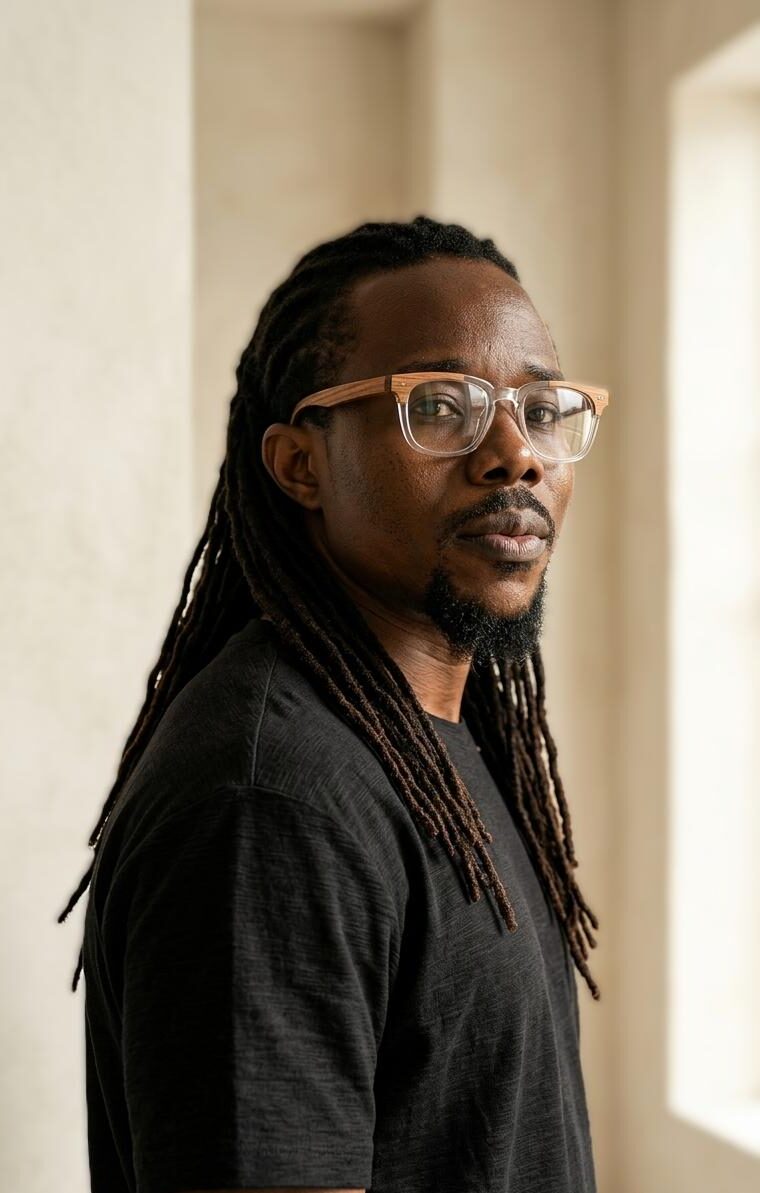
Early on, I learned something simple: I couldn't afford an excuse. Theatre Arts taught me discipline and execution. Business taught me reality — clients don't care about effort, only outcomes. Building service businesses in cash-flow environments forced me to master retention, consistency, and delivery under pressure. That's the foundation behind how I diagnose what's broken and drive turnarounds now.
That lesson has followed me for more than two decades. Sometimes I walked into something already broken and helped put it back together. Sometimes I took a rough vision and stayed with it until it could stand in the market. An idea was never finished just because it sounded good. It had to become something people could see, something a team could execute, and something the business could feel—in revenue or in a turnaround.
Ambition demanded more. After years as an ambitious artist and entrepreneur, I was good, but not great. I saw bigger brands winning, and I needed to know why. I deliberately stepped away from my own business and went to work on the front lines of global retail conglomerates. I learned how products move, how brands win, and why most well-funded strategies still fail at the point of purchase.
This is why I can help you.
My transformation into a strategist was cemented when I was hired as a Senior Growth Lead for a North American Ed-Tech company. 95% of my job was jumping on high-stakes consultation calls with C-suite executives, bank leaders, and PhDs — all brilliant people who were stuck. My role was to diagnose their career bottlenecks and architect the path to their next six-figure trajectory. On those calls, I learned to cut through the noise and deliver clarity. Fast.
Final Word...
After seeing the road that built me, an industry statesman once queried me, harmlessly:
“So, you have arrived?” My answer? Not at all.
I still take each day’s business challenge as something I need to crack. The market keeps moving. Behaviour shifts. Interest is never static.
Some industries are still holding the rope’s end, trusting consumer purchasing power to improve so more stock can move out of the distributor’s stall and warehouses.
Then the retailer starts buying with more confidence.
More revenue. Bigger turnovers.
Then market spend comes back into play—advertising and trade promotions to stay visible.
Whoever keeps showing up in trade stays top of mind. Often, that is where the pricing war is won too.
So you see, the answer isn’t that I now have all the answers.
It is that I have walked those trenches. Those are the scars I claim as my audacity.
Most leaders don't lack vision. They lack execution. They know what they want, but they don't have the structure or the "how." My entire journey has been a relentless education in one thing: execution.
I'm standing by. Are you still unsure?