If you have a great product but your brand is invisible, it is time to find its voice.
Reading Time: mins
The brand operated in the construction materials space, with a strong waterproofing product already known by experienced dealers and technical users.
In places like Lagos Island building-material clusters, there were distributors who could explain the product with real authority.
Some had inherited the business from their fathers.
Some had been selling related products for decades.
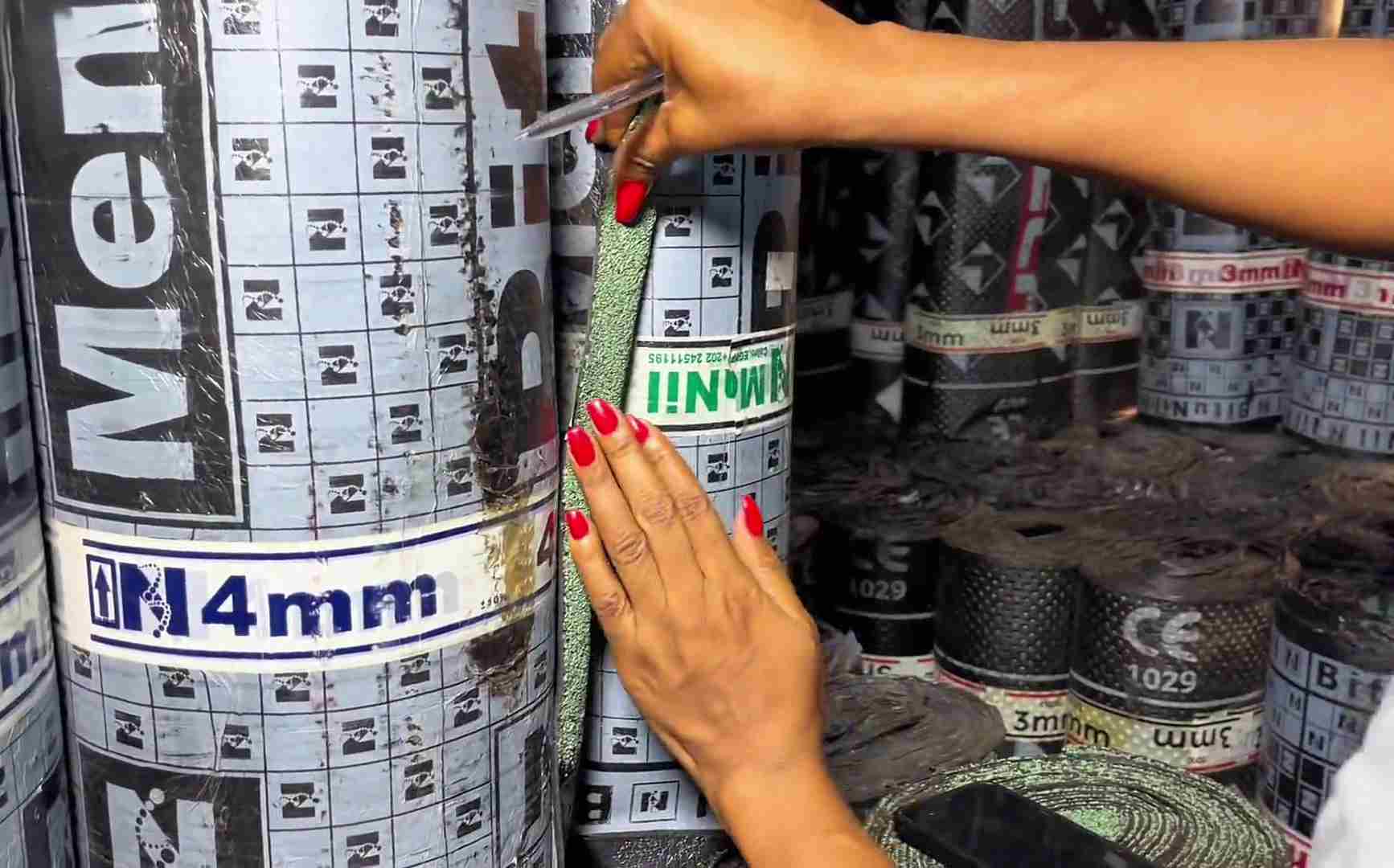
They knew which membrane worked better for roofing.
They could explain what was suitable for a basement.
They understood the product from years of real market interaction.
But that trust was trapped inside a small circle.
Outside the dealers, experienced site people, and a few construction decision-makers, the brand had very little visible identity.
Competitors had clearer positioning.
Competitors had more recognizable brand presence.
Competitors had stronger market-facing stories.
Meanwhile, this brand had product credibility but weak public memory.
That was the danger.
A random site person might know the product name or mention it among alternatives, but there was almost no digital footprint connecting that product to the company behind its distribution in Nigeria.
In a market where buyers research before they reach out, that was a serious gap.
Construction decision-makers, site engineers, builders, financial controllers, and project managers looking for technical input or supply partnerships needed a place to verify, understand, and start a conversation.
But if they searched online, the brand was not showing up with enough clarity.
The leadership wanted to fix that.
And they needed it urgently.
The obvious problem was awareness.
But that was not the real problem.
The real problem was that the brand’s strongest assets were hidden.
The company already had credibility in the market.
It already had technical users.
It already had dealers who could speak from experience.
It already had real project proof.
But none of those things had been properly structured into a brand story.
That meant opportunities were being missed.
A project person in another city should be able to search, find the company, understand the product, see project evidence, and start a conversation.
A builder should be able to say:
“This company seems to be a major distributor of this product. I have a project requirement. Let me reach out for technical input.”
That should be possible through the website, social media, LinkedIn, or direct inquiry channels.
But without visible collateral, the brand had no strong remote showroom.
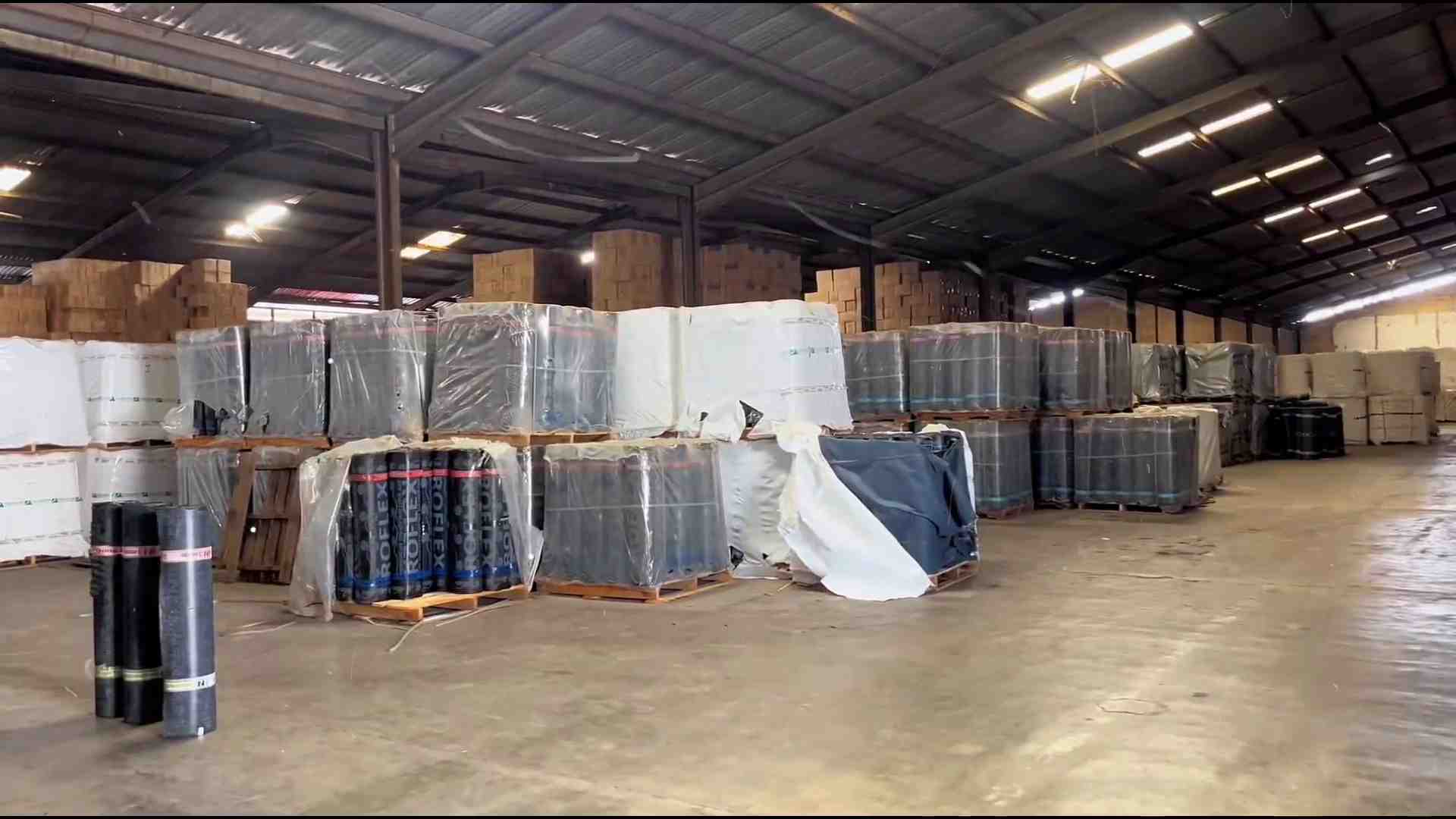
The warehouse existed.
The dealers existed.
The product existed.
But the brand story was not accessible.
That was the ghost-brand problem.
The company was not short of proof.
It was short of public proof.
The guiding principle was simple.
Do not invent a brand story when the real one is already stronger.
Find the people who use the product.
Find the people who sell it.
Find the people who have carried the product from one generation of business to another.
Then let them speak.
My Theatre Arts background helped here.
Not because we were acting.
But because theatre teaches you how to understand character, voice, setting, and truth.
Every customer is not the same.
Every distributor does not speak the same way.
Some are polished.
Some are not.
Some speak fine English.
Some speak Pidgin.
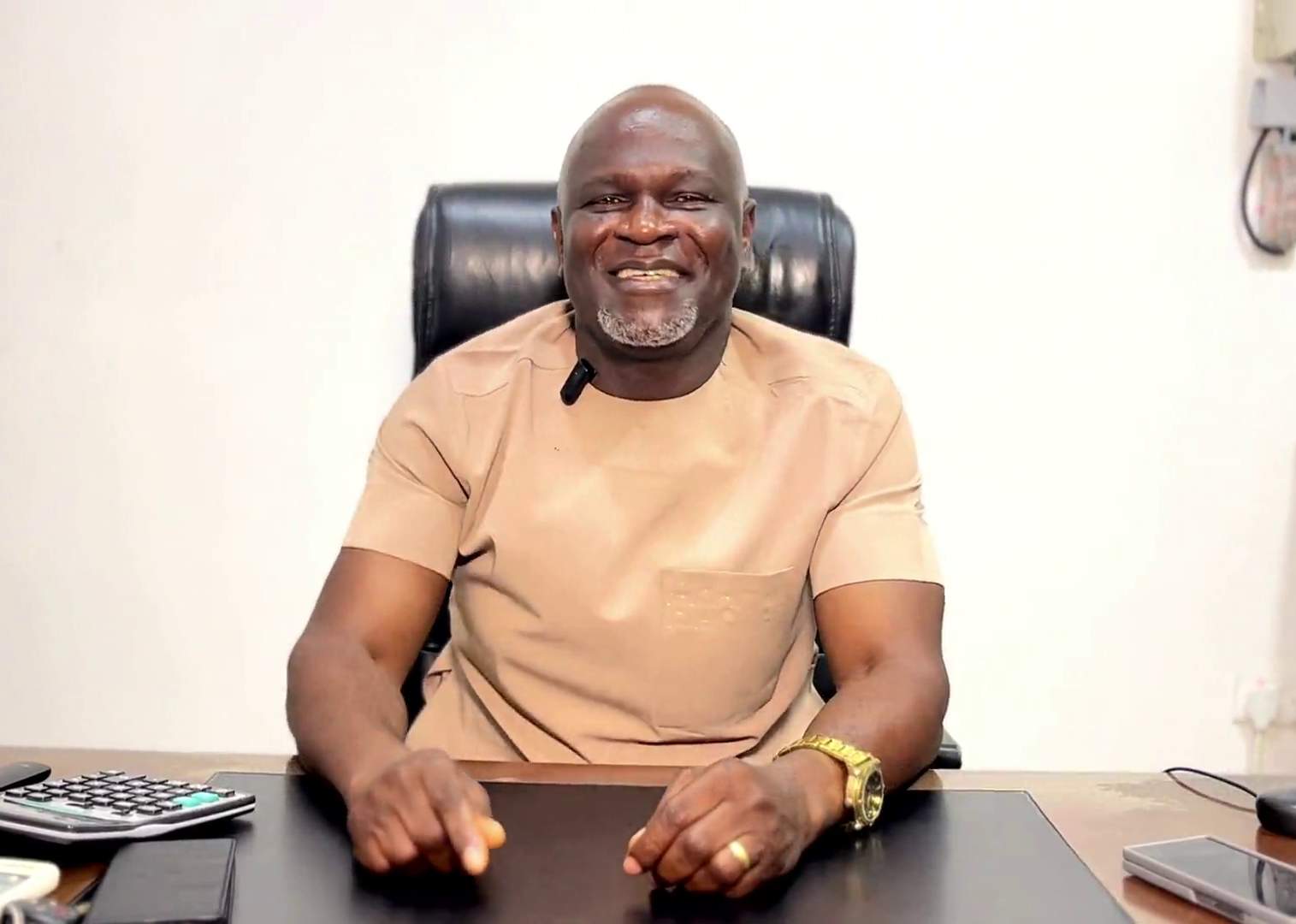
Some are in clean offices.
Some are in building-material clusters and mechanic-village type environments.
But truth is truth.
If the person has knowledge, experience, and credibility, that voice matters.
The job was to respect the source and shape the communication around them without over-polishing it until it lost its soul.
That became the strategy.
Respect the customer.
Capture the truth.
Turn hidden trust into visible brand proof.
The eye-level plan was simple:
”Capture real video testimonials.”
But simple does not mean shallow.
The work was in how we captured them, who we captured, where we captured them, and how the content would be used afterwards.
We created a simple 3–5 question structure.
The point was not to cage the conversation.
The point was to keep everyone aligned with the campaign goal.
We needed testimonials that spoke to:
That gave the interviews direction without making them feel scripted.
These were not professional actors.
They were dealers, distributors, business owners, and technical users.
So preparation mattered.
They needed to understand why the campaign mattered.
They needed to see that it was not just promotion for the company.
It could also promote their own business.
That was the masterstroke.
Once they understood that the campaign could create a win-win for both sides, their commitment became stronger.
They wanted the success too.
And that changed the energy.
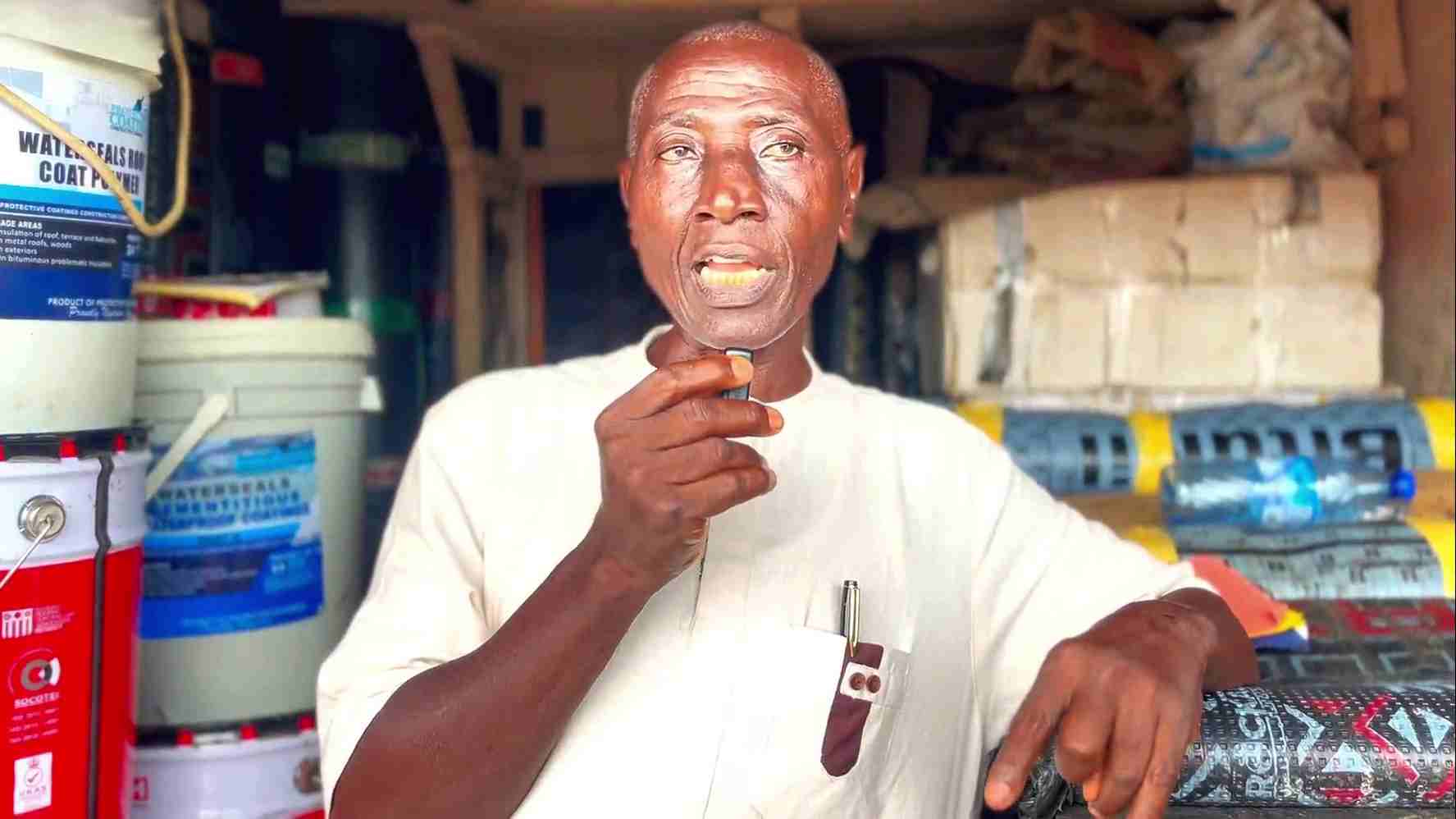
We did not use a sterile studio setup.
That was intentional.
The story had to feel real.
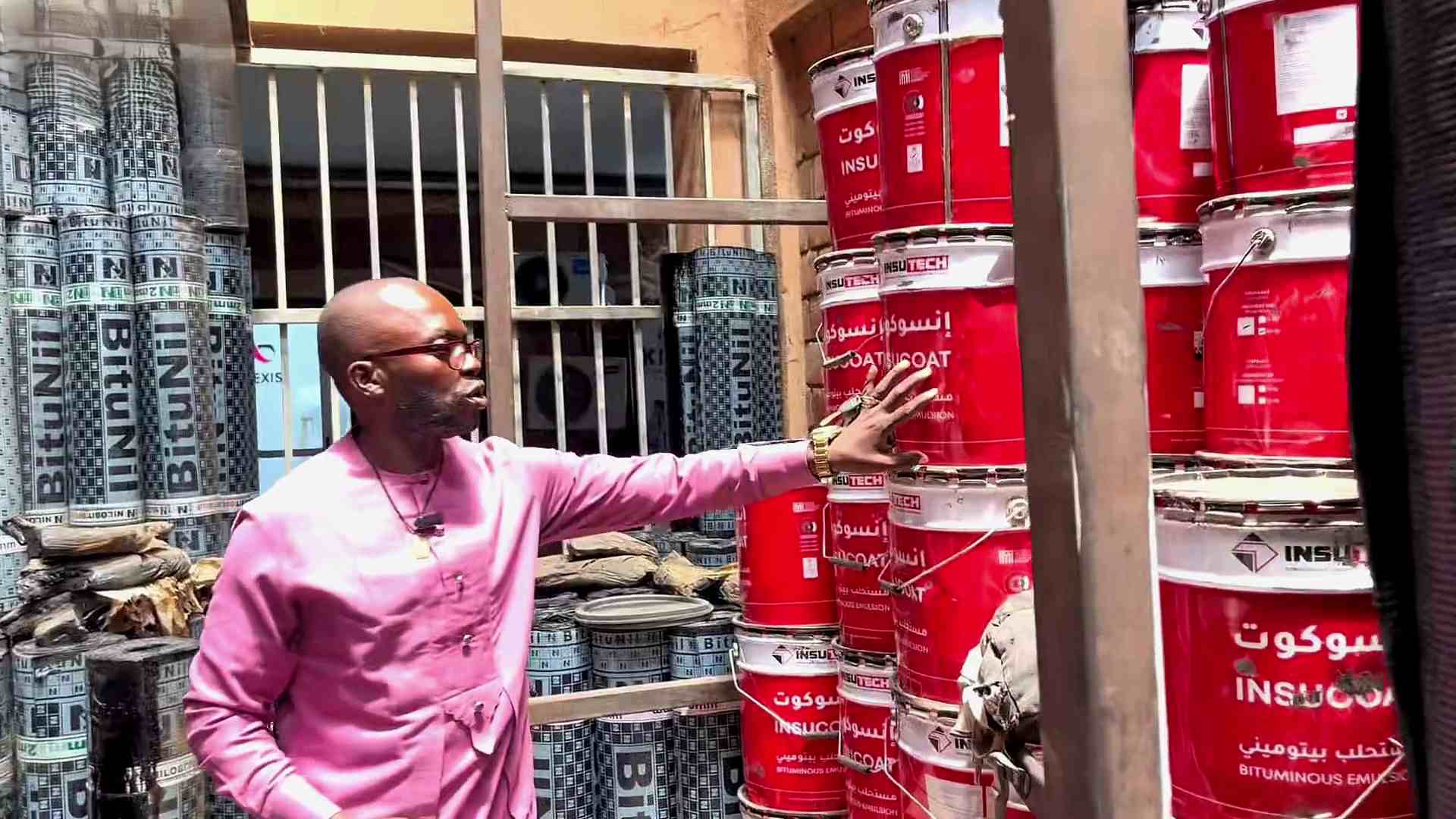
So we filmed in actual business environments, warehouse offices, and project locations.
The setting became part of the credibility.
If a distributor sells from a building-material cluster, let the environment speak.
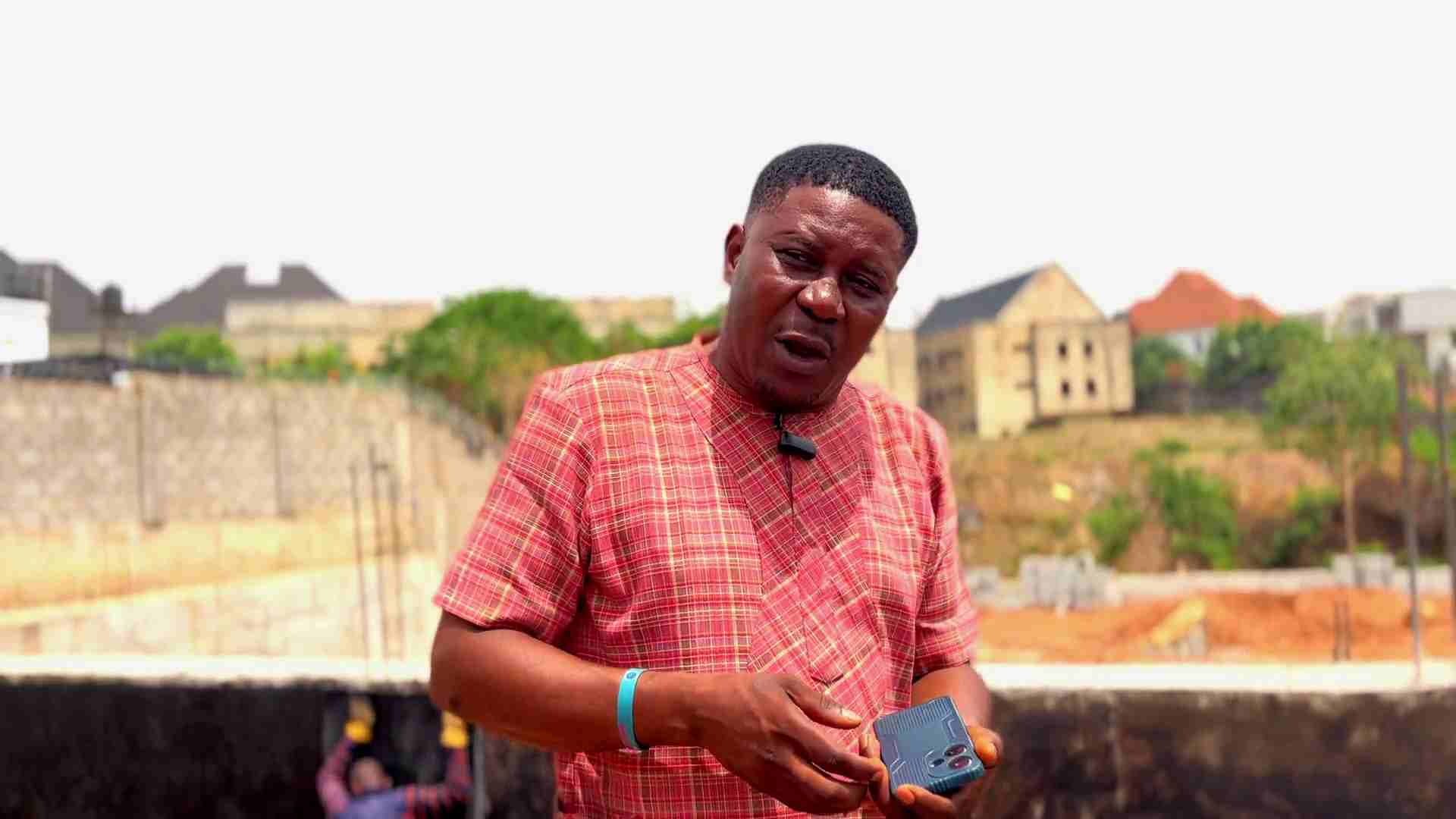
If a technical user is on a construction site, let the site speak.
That is how the story stays grounded.
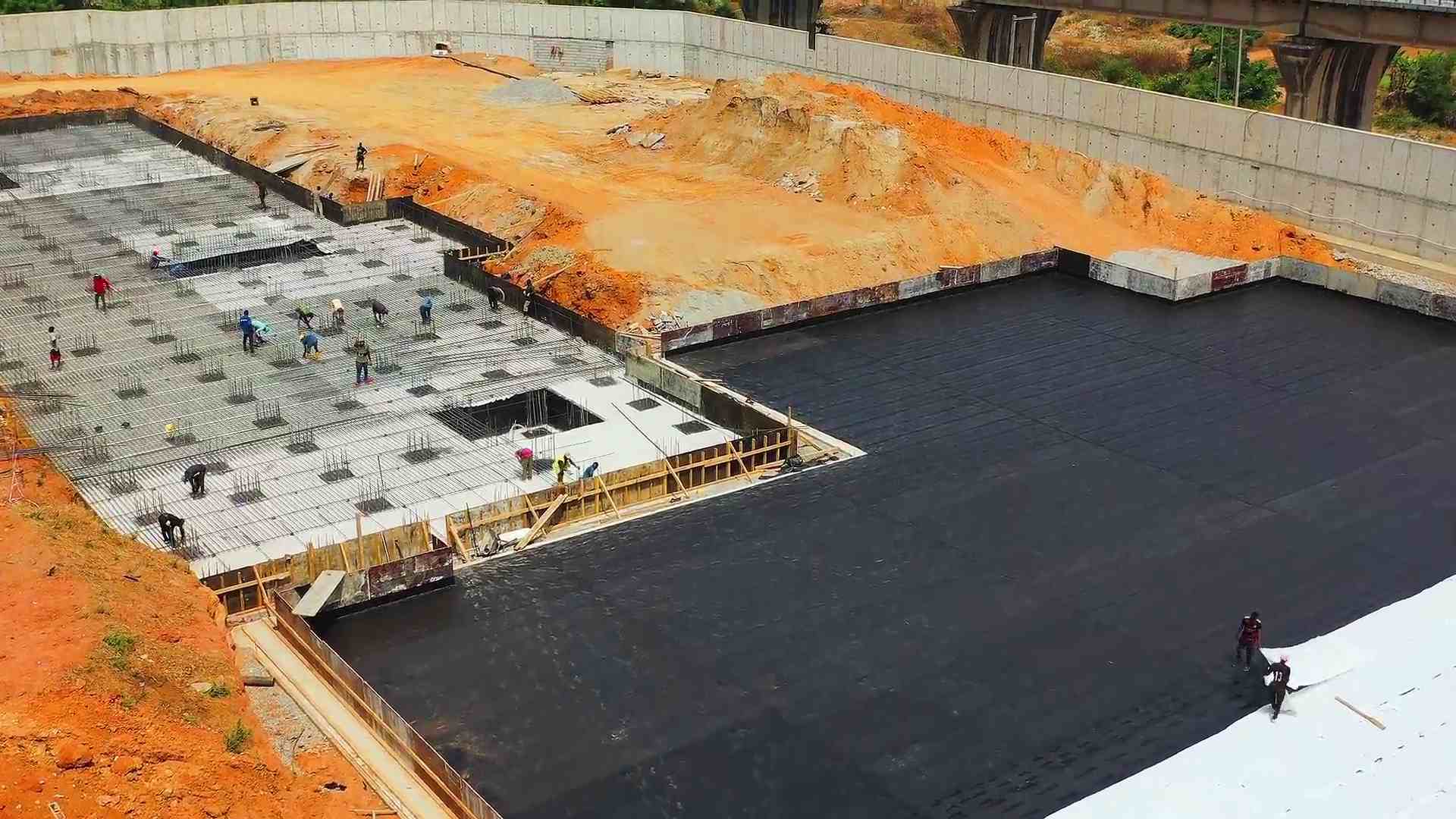
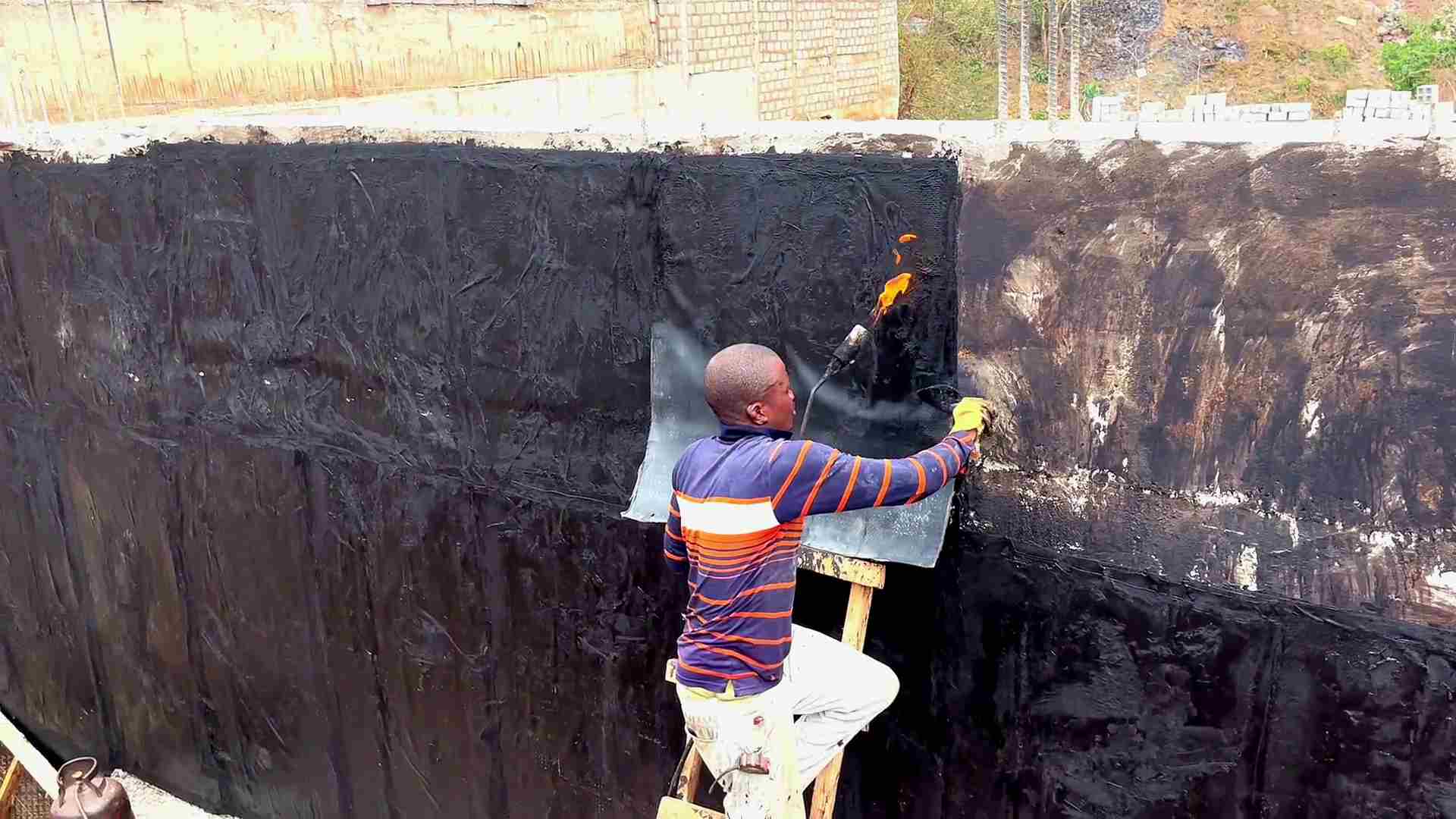
One of the strongest assets came from a hotel construction project in Abuja.
I made sure we documented it.
That decision mattered.
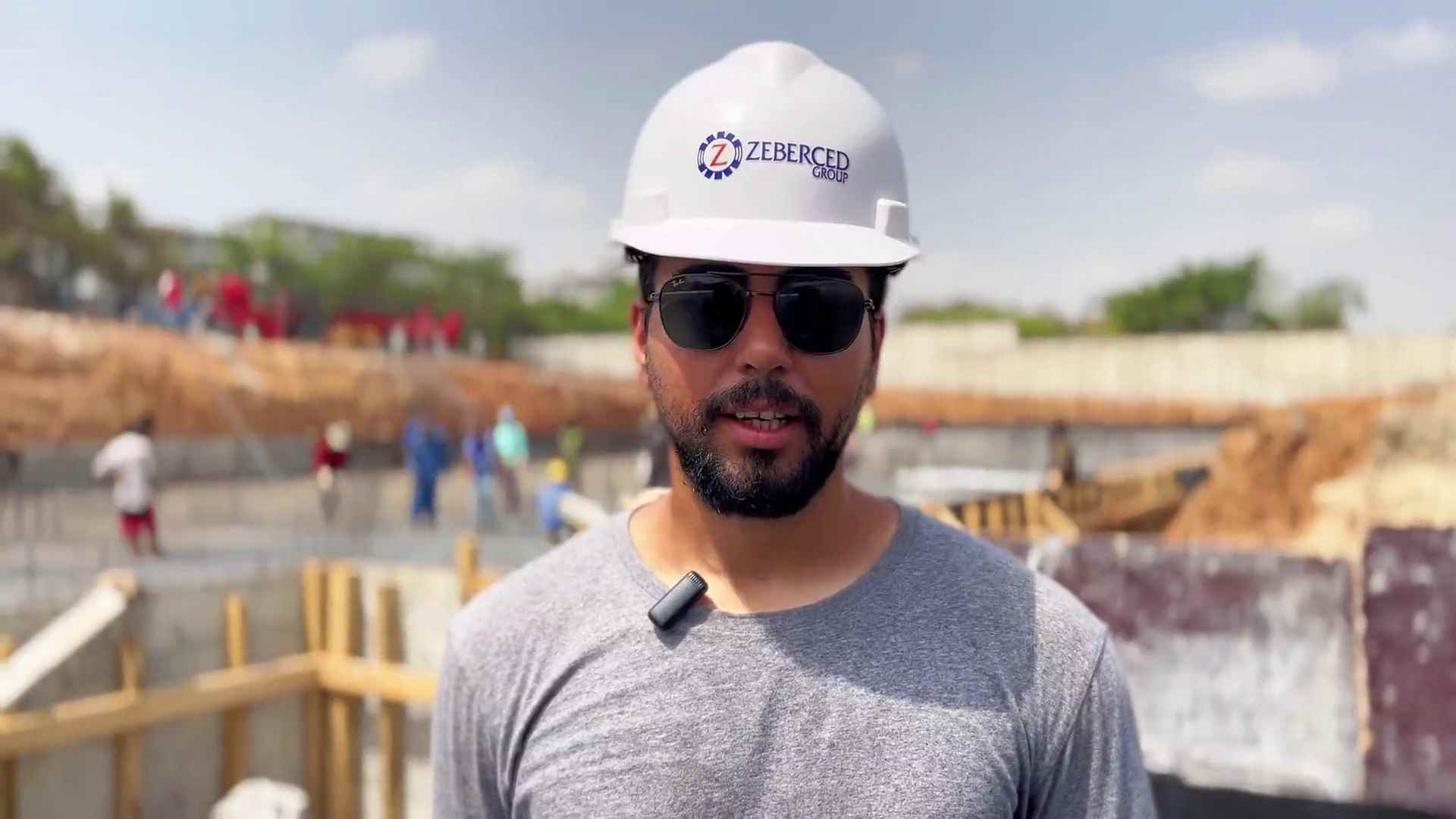
We captured a leading expatriate construction professional on site, someone with the look, the knowledge, and enough English to explain the technical value clearly.
He explained why the waterproofing layers were being used and how the system helped secure the project into the future.
That kind of evidence is hard to fake.
It moved the story beyond ordinary testimonial.
It became technical proof.
And that proof could now live inside the brand’s communication system.
The videos were not created to sit in a folder.
They became core marketing assets.
They were used on the project page of the website, which could continue to be populated in the future.
They were repurposed for social media.
They supported LinkedIn communication.
They could be used in sales presentations.
They could support future campaigns.
That was important.
We were not just creating content.
We were building an evergreen proof library.
A remote showroom.
A digital trust archive.
Something a potential buyer, engineer, architect, builder, or project decision-maker could see and say:
“Okay, this company is real. This product has been used. These people know what they are talking about.”
The brand began to move from a quiet product name to a more visible story of trust.
The first phase increased attention and education.
People who may not have been primary targets for waterproofing membranes could still start learning from the communication.
They could see a wall with water issues and begin to ask better questions:
“Did they use a waterproofing membrane?”
That is what good education does.
It changes the way people notice problems.
The content also started creating entry points for inquiry.
There were potential leads coming in through social media, including someone asking for guidance on the right choice for a basement project.
That mattered.
Because before, the brand was mostly locked inside dealer knowledge and physical warehouse access.
Now, the brand could start a conversation online.
The transformation was not only visual.
It was operational.
The website became more useful.
The project page became a living proof point.
The social channels had stronger content.
The sales team had better assets.
And the brand had a clearer way to show that it was not just another product on the shelf.
It had history.
It had users.
It had projects.
It had proof.
The strongest proof was not invented in a campaign room. It was already sitting with the people, places, and projects that carried the brand’s trust.

A brand can have market trust and still be invisible.
That is the danger.
But if the story is not captured, structured, and distributed, the brand still loses leverage.
In today’s market, your physical warehouse is not enough.
Your dealers are not enough.
Your product performance is not enough if people cannot find the proof when they need it.
That is how a ghost brand starts becoming a known brand.
“Not by pretending.”
By revealing the truth that was already there.
How a North American EdTech firm reframed its sales conversation to connect with professionals across EMEA and the Americas more clearly, humanly, and commercially.

How field insight inside a busy open-market environment became a sharper activation strategy built to create attention, demand, and recall.

How a fragmented growth system was rebuilt around clearer priorities, sharper ownership, and the few moves that actually changed momentum.

At the University of Ibadan, Theatre Arts taught me to understand story, people, and execution. At the same time, I built and led a styling business- training a team, retaining clients, and delivering under deadline and cash-flow pressure.
I grew from hairstylist into both makeup artist and hairstylist. That chapter led to my work as lead hairstylist for MTN Project Fame West Africa, Season 5- a continent-wide broadcast production.
That lesson has stayed with me for more than two decades. Sometimes I walked into something already broken and helped put it back together. Sometimes I took a rough idea and worked with it until it could stand in the market. An idea wasn’t finished just because it sounded good. It had to become something people could see, a team could deliver, and the business could feel.
I wanted to understand how brands won beyond the service business I had built. So I stepped from behind the styling chair onto the retail floor, starting as a retail associate for global brands. Over the years, I worked across FMCG, cosmetics and distribution, and rose to Business Manager.
That experience gave me a practical view of how products move and how brands compete at the point of purchase. It changed the questions I ask when a product isn’t gaining the traction its owner expects.
Ambition demanded more. I wanted to understand why bigger brands were winning, so I deliberately stepped away from my own business and onto the retail floor, starting as an associate for global brands.
Over the years, I worked across FMCG, cosmetics, and distribution, rising to Business Manager. I learned how products move, how brands compete at the point of purchase, and why even well-funded strategies can fall short when they meet the market.
This is why I can help you.
Later, as Senior Growth Lead for a North American EdTech company, most of my work involved high-stakes consultation calls with C-suite executives, bank leaders, and PhDs.
The offer was a high-ticket programme for people seeking to become certified Business Analysts. It wasn’t a physical product; people had to understand its value and trust that it fit what they needed. I drew on the client-facing experience I’d built over the years: listen, understand what mattered to each person, make the value clear, and help them decide. I was able to convert buyers at that level.
That experience widened my commercial lens. The offer might be a product on a shelf or a high-ticket learning programme, but the work still begins with understanding the buyer and making the value clear.
Final Word...
After seeing the road that built me, an industry statesman once asked me:
“So, you have arrived?”
My answer? Not at all.
I still take each business challenge as something to understand and work through. The market keeps moving. Customer behaviour shifts. Interest is never static.
Some industries are waiting for purchasing power to improve so more stock can move from distributors’ stalls and warehouses. When retailers buy with more confidence, revenue and turnover can grow. Then businesses can put more attention into market presence—advertising, trade promotions and showing up consistently where customers make choices.
The commercial picture is connected. Demand, distribution, retailer confidence and visibility all matter.
I don’t claim to have every answer. I have worked across service businesses, retail, FMCG, distribution, high-stakes client conversations, and the sale of intangible offers. My journey has been a continuing education in execution- and in seeing what each situation actually calls for.
The 45-Minute Check is where we work through one issue, identify what may be slowing progress, and agree on a practical first move. It isn’t a promise of a complete turnaround. If the work needs to go deeper, we scope that separately.
My process is built on respect for your time and mine. The 45-Minute Check gives you a real diagnosis and a clear first move. If the work needs to go deeper, we scope that honestly and build from there.